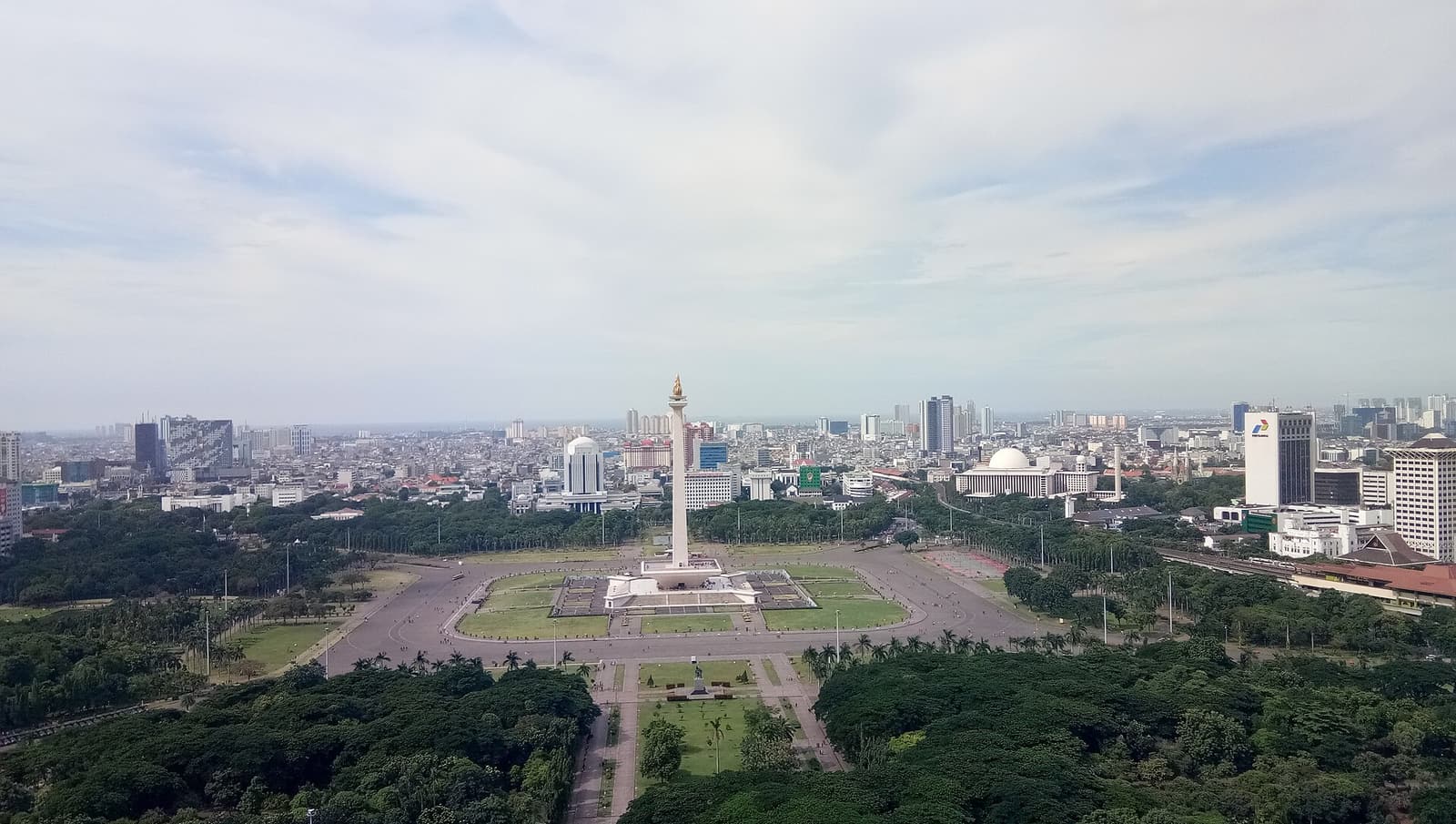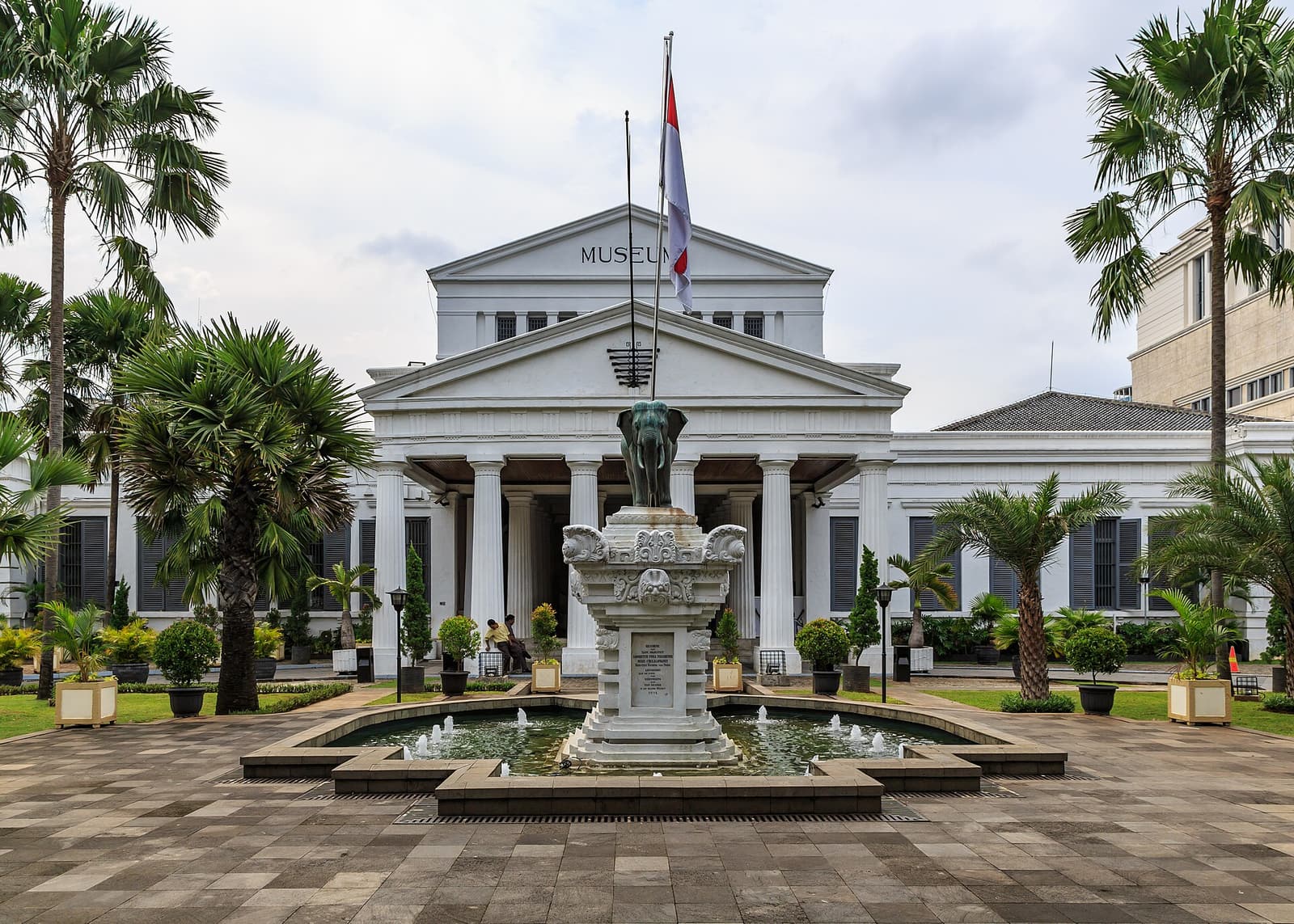
The National Museum of Indonesia (Museum Nasional) faces Monas from the west side of Merdeka Square. It grew out of the collections of the Batavian Society of Arts and Sciences, founded in 1778, and its neoclassical building opened in 1868. Jakartans call it Museum Gajah, the Elephant Museum, after the bronze elephant on the lawn — a gift from King Chulalongkorn of Siam in 1871.
It holds by far the richest collection in the country: stone sculpture from Java’s Hindu-Buddhist kingdoms, gold regalia, ceramics, textiles, and ethnographic material from Sumatra to Papua. Part of the old building was damaged by fire in 2023; the museum reopened in 2024 after restoration, with refreshed displays. Some rooms may still be rearranged, so check what is open.
Top things to do at National Museum of Indonesia
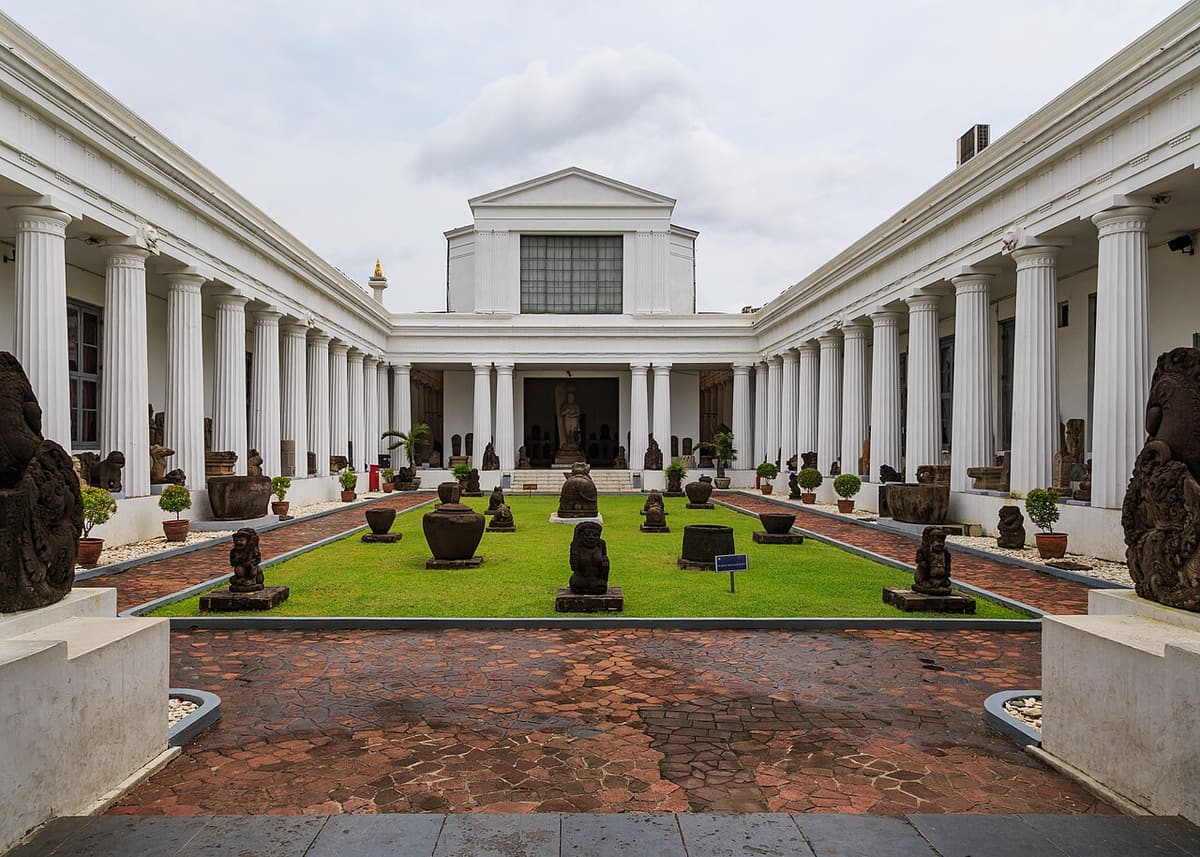
Start in the courtyard of statues
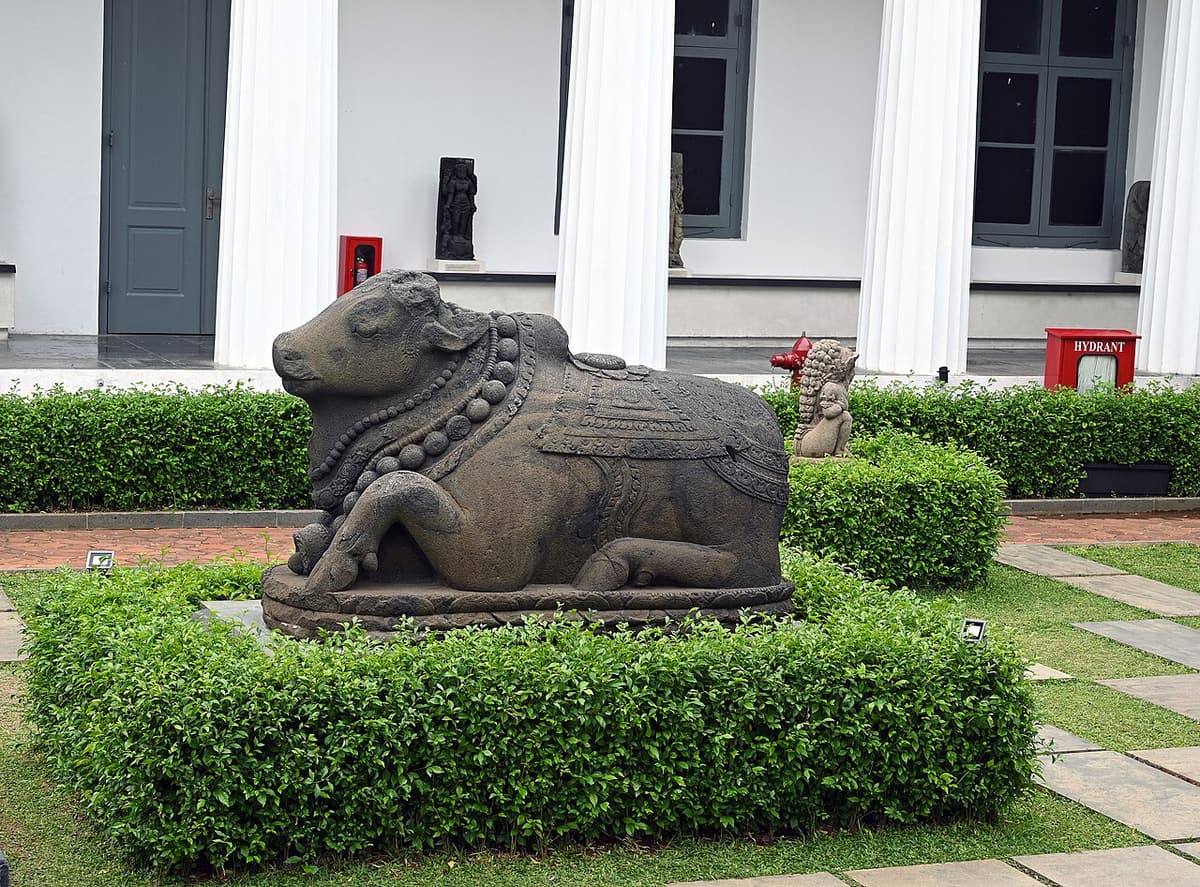
The open colonnade around the central courtyard is lined with Hindu and Buddhist stone sculpture from the eighth to the fifteenth centuries — Ganeshas, Durgas and guardians — and dominated by a towering Bhairava figure from Sumatra, more than four metres tall.
See the gold and treasure rooms
The treasure galleries display gold jewellery, kris daggers and ritual objects from Indonesia’s courts, among them finds from Central Java’s classical period. They are the highlight for many visitors.
Tour the archipelago in the ethnography halls
Model houses, textiles, puppets, musical instruments and carvings give a compact survey of the country’s hundreds of cultures — an excellent companion to a visit to Taman Mini.
Join a guided tour
Volunteer guides have long offered free tours in English and other languages on set days. Ask at the entrance for the current schedule, or visit as part of a guided city tour.
How to get to National Museum of Indonesia
- By TransJakarta: Corridor 1 stops at Monumen Nasional, almost outside the museum.
- From Monas: the museum is across Jalan Medan Merdeka Barat from the west side of the square — a 10-minute walk from the monument’s entrance area.
- By MRT: ride to Bundaran HI and change to TransJakarta Corridor 1 northbound for a few stops.
Insider tips
- The museum is usually closed on Mondays. Entry costs more for foreign visitors than for Indonesians but is still modest; check current prices.
- Allow two hours for a first visit. It is air-conditioned, which makes it a good plan for the hottest part of the day or a wet afternoon.
- Large bags go in the cloakroom. Photography without flash is generally allowed.
- Pair it with Monas in the early morning and the museum from mid-morning.
Best tours & tickets for National Museum of Indonesia
These top-rated experiences are the easiest way to see National Museum of Indonesia:
 City tour from €51
Jakarta: Full-Day Highlights Tour
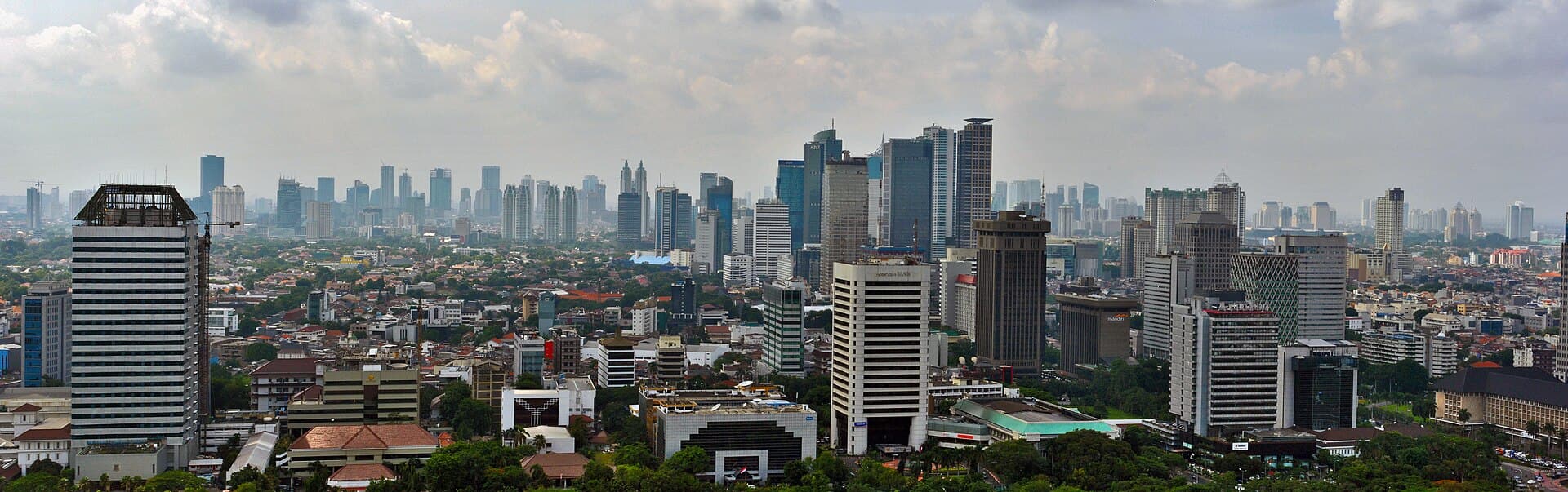
The most-reviewed Jakarta city tour we list. A guide leads you through a curated run of the capital’s landmarks, covering its history, culture and religious life in a single day and taking the planning — and the traffic strategy — off your hands.
- The city’s best-known landmarks in one guided day
- History, art, traditions and places of worship
- Hotel pickup available
 Private heritage tour from €54
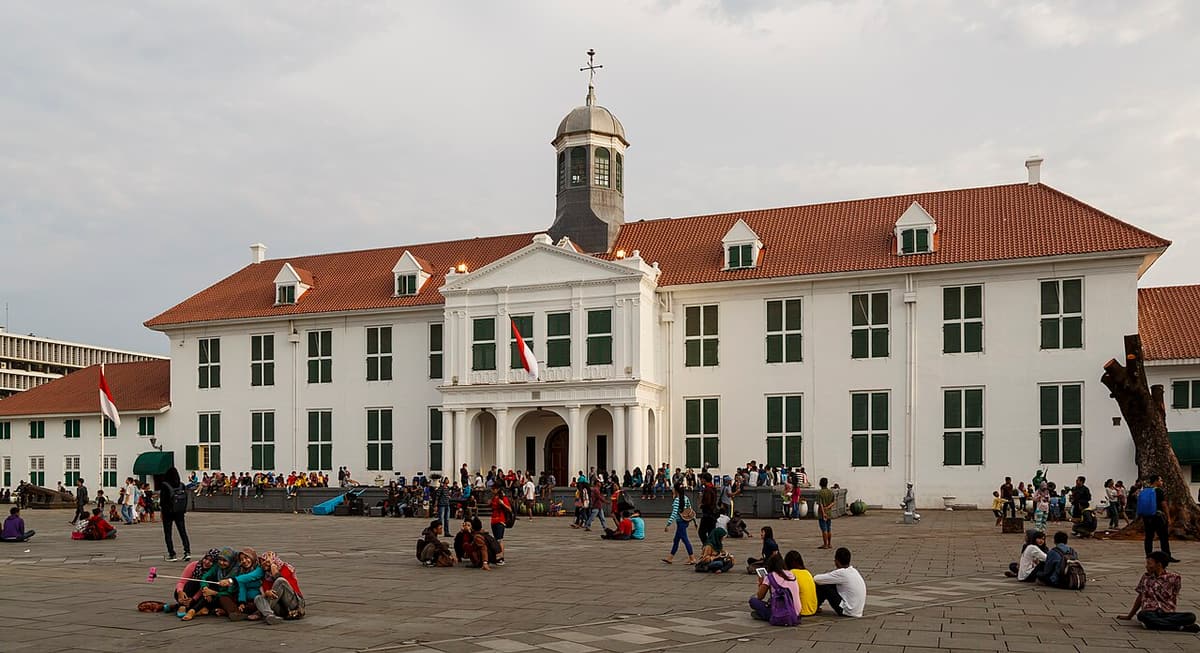
Jakarta City Tour with Heritage of Old Batavia and Museum
A private tour of the north: the old town and its history museum, Glodok, a puppet studio and Sunda Kelapa, with a short ride in a three-wheeled bajaj.
- Old Town, Chinatown and the old harbour
- A puppet studio and the Fatahillah Museum
- A short tuk-tuk (bajaj) ride
 Workshop from €21
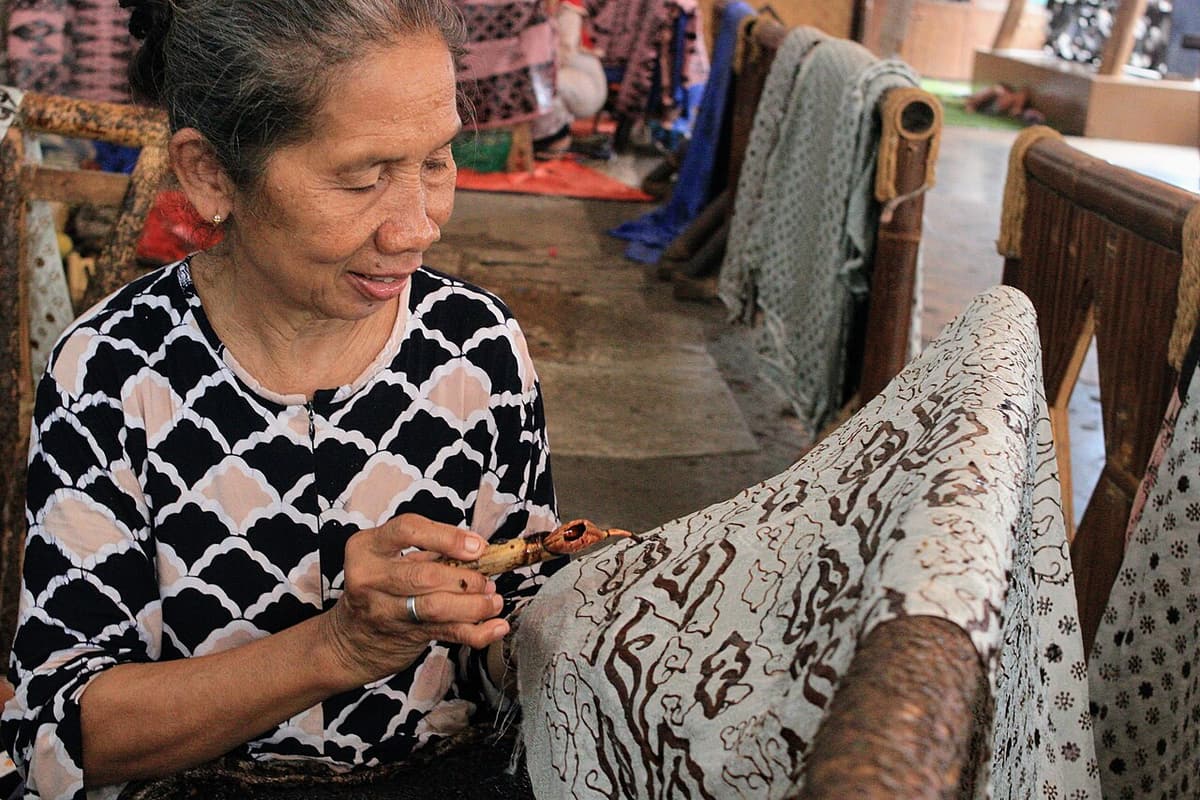
Jakarta: 1-Hour Batik Workshop with Local Instructor
A short, hands-on introduction to Indonesia’s best-known textile art. An instructor shows you the basics, you make your own piece and you take it home.
- Learn the basics of batik
- Create your own design
- Take home a handmade souvenir