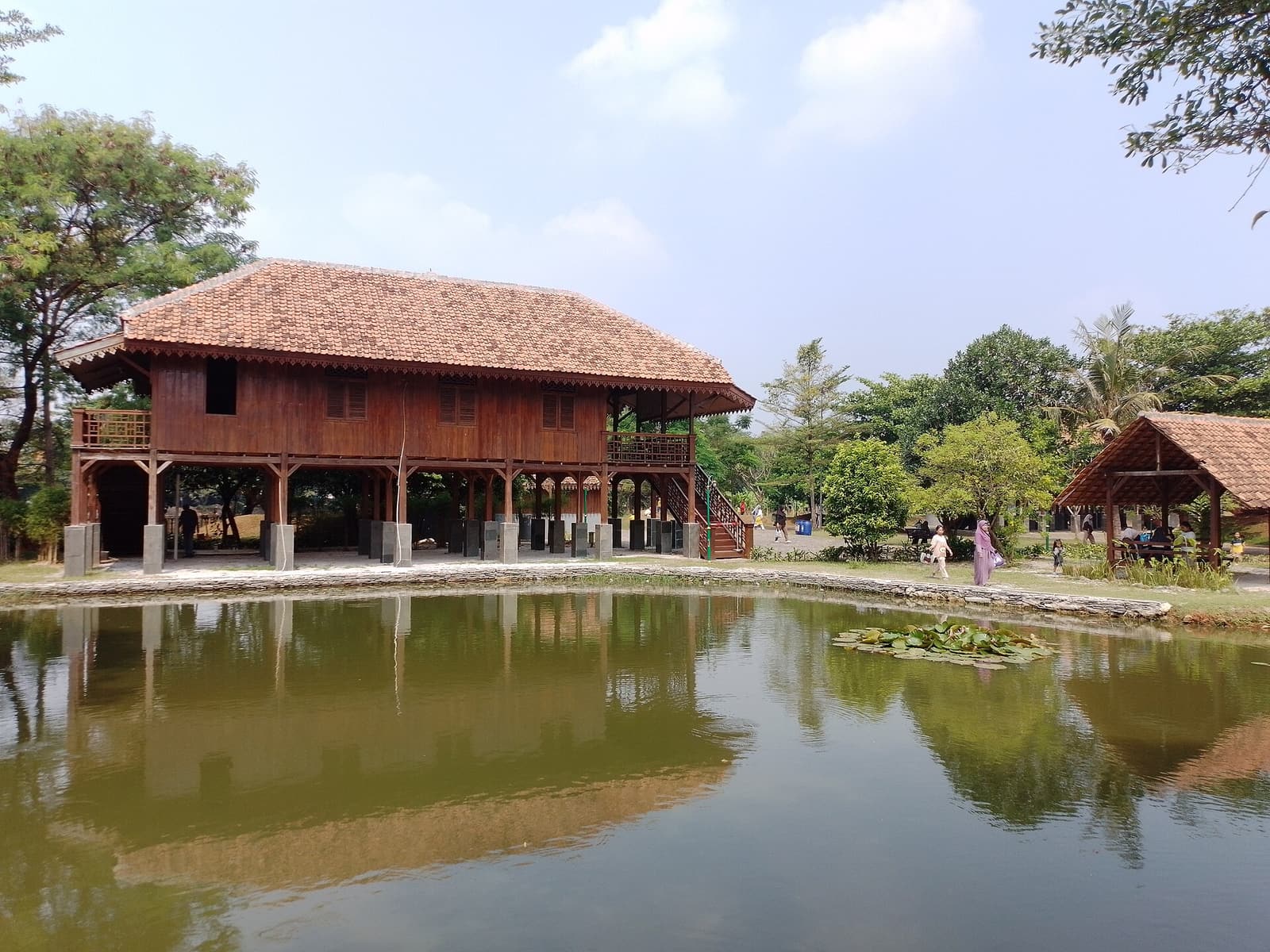
Before it was a capital of anybody’s empire, Jakarta was home to the Betawi — a people and culture that formed here over centuries from Malay, Sundanese, Javanese, Chinese, Arab and European influences. Their dialect, music, food and humour are the city’s own, and they are increasingly hard to find beneath the skyscrapers.
Setu Babakan, in Srengseng Sawah at the southern edge of the city, is the officially designated Betawi Cultural Village: a real residential neighbourhood around a lake (setu), with traditional houses, a museum, performance stages and food stalls. It is low-key, local and free.
Top things to do at Setu Babakan (Betawi Cultural Village)
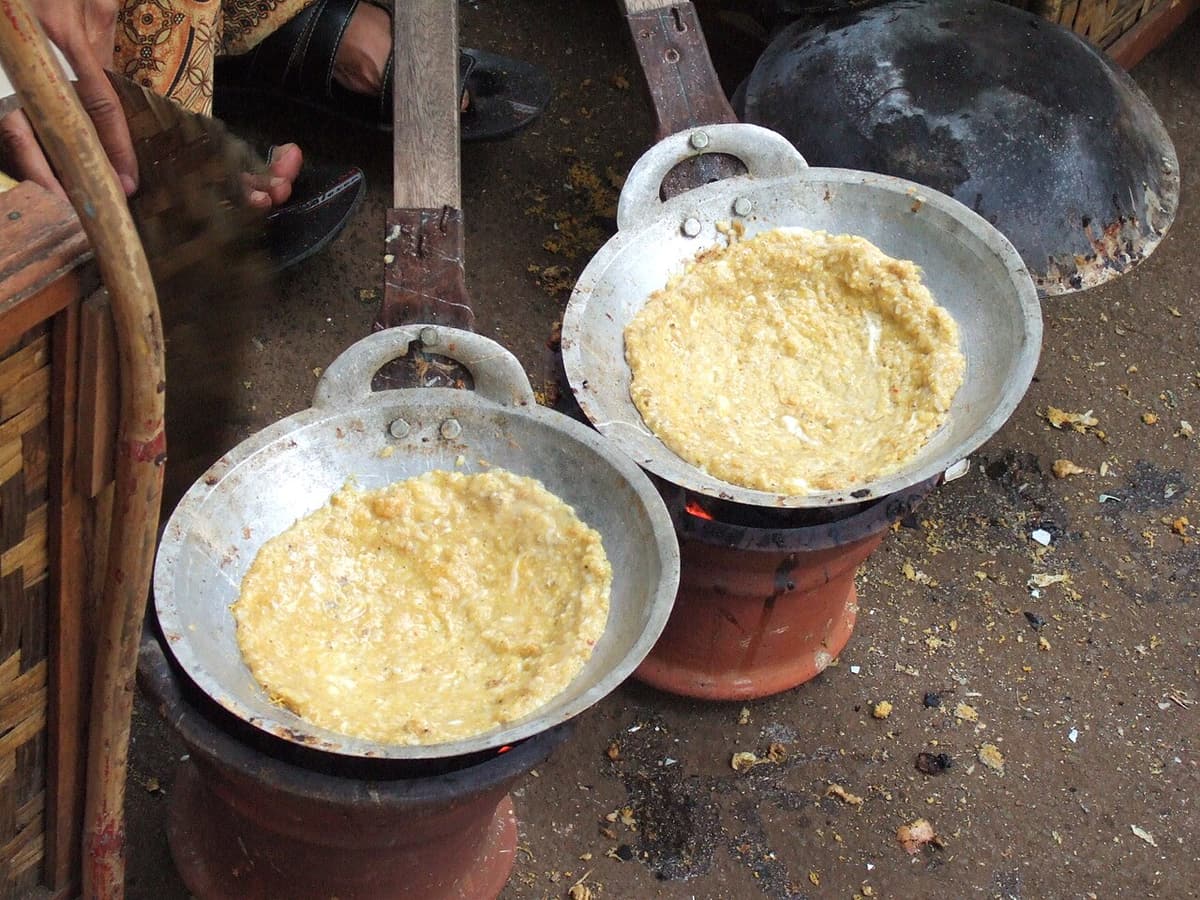
Eat Betawi food by the lake
This is the best place in Jakarta to try kerak telor — sticky rice and egg cooked over charcoal with toasted coconut — along with soto Betawi, laksa Betawi, sweet dodol and bir pletok, a non-alcoholic drink of ginger, lemongrass and spices.
See traditional Betawi houses
Examples of the main house types stand in the cultural zone, with their carved fascia boards and wide front verandas. The small Betawi Museum explains customs, weddings and crafts.
Catch a weekend performance
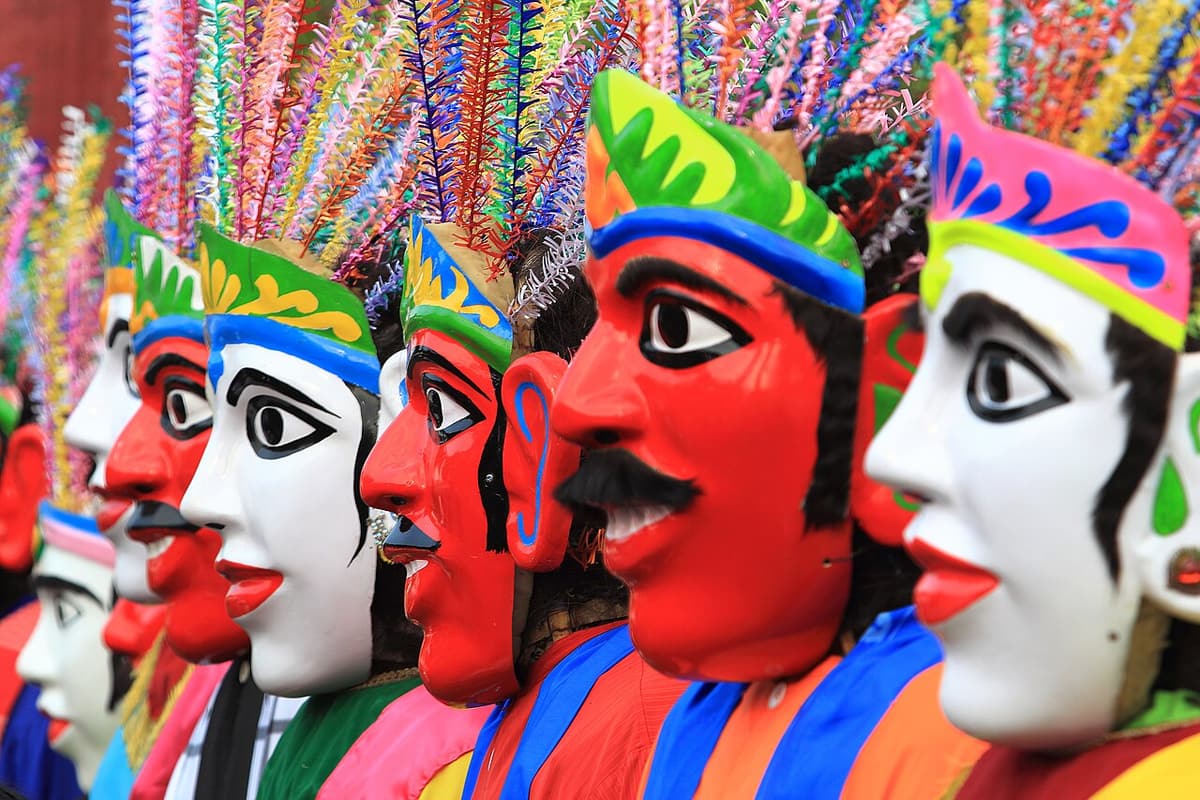
On weekends and holidays the open stage often hosts dance, gambang kromong and tanjidor music, lenong folk theatre or martial arts, and you are likely to meet ondel-ondel, the towering puppet figures that are Jakarta’s mascots. Schedules are informal.
Take a slow turn around the water
Rent a pedal boat or walk the lakeside path past anglers and fruit trees — a glimpse of the kampung life that once covered most of Jakarta.
How to get to Setu Babakan (Betawi Cultural Village)
- By commuter train: take the Bogor line to Lenteng Agung or Universitas Pancasila, then a short ojek or ride-hailing trip.
- By taxi or ride-hailing: 45–75 minutes from central Jakarta; allow more in rush hour.
- Combine it with Ragunan Zoo, which is roughly 20 minutes away by car.
Insider tips
- Come on a Saturday or Sunday; on weekdays there are fewer stalls and usually no performances.
- Entry is free. Bring cash for food and boat hire.
- Signage is mostly in Indonesian — a guide or a translation app helps.
- If you cannot make it this far south, look for kerak telor sellers at Monas and Kota Tua.
Best tours & tickets for Setu Babakan (Betawi Cultural Village)
These top-rated experiences are the easiest way to see Setu Babakan (Betawi Cultural Village):
 Workshop from €21
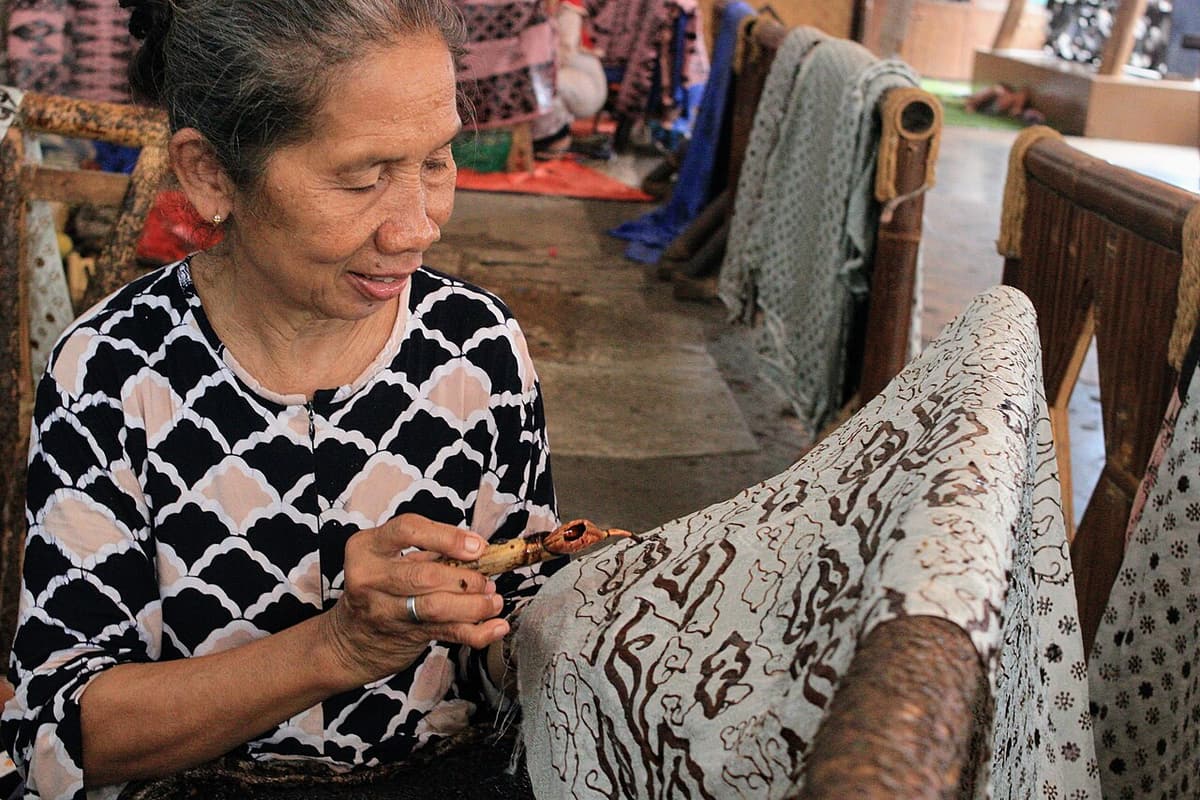
Jakarta: 1-Hour Batik Workshop with Local Instructor
A short, hands-on introduction to Indonesia’s best-known textile art. An instructor shows you the basics, you make your own piece and you take it home.
- Learn the basics of batik
- Create your own design
- Take home a handmade souvenir
 City & culture tour from €51
Jakarta: Culture and Landmarks Full-Day Tour
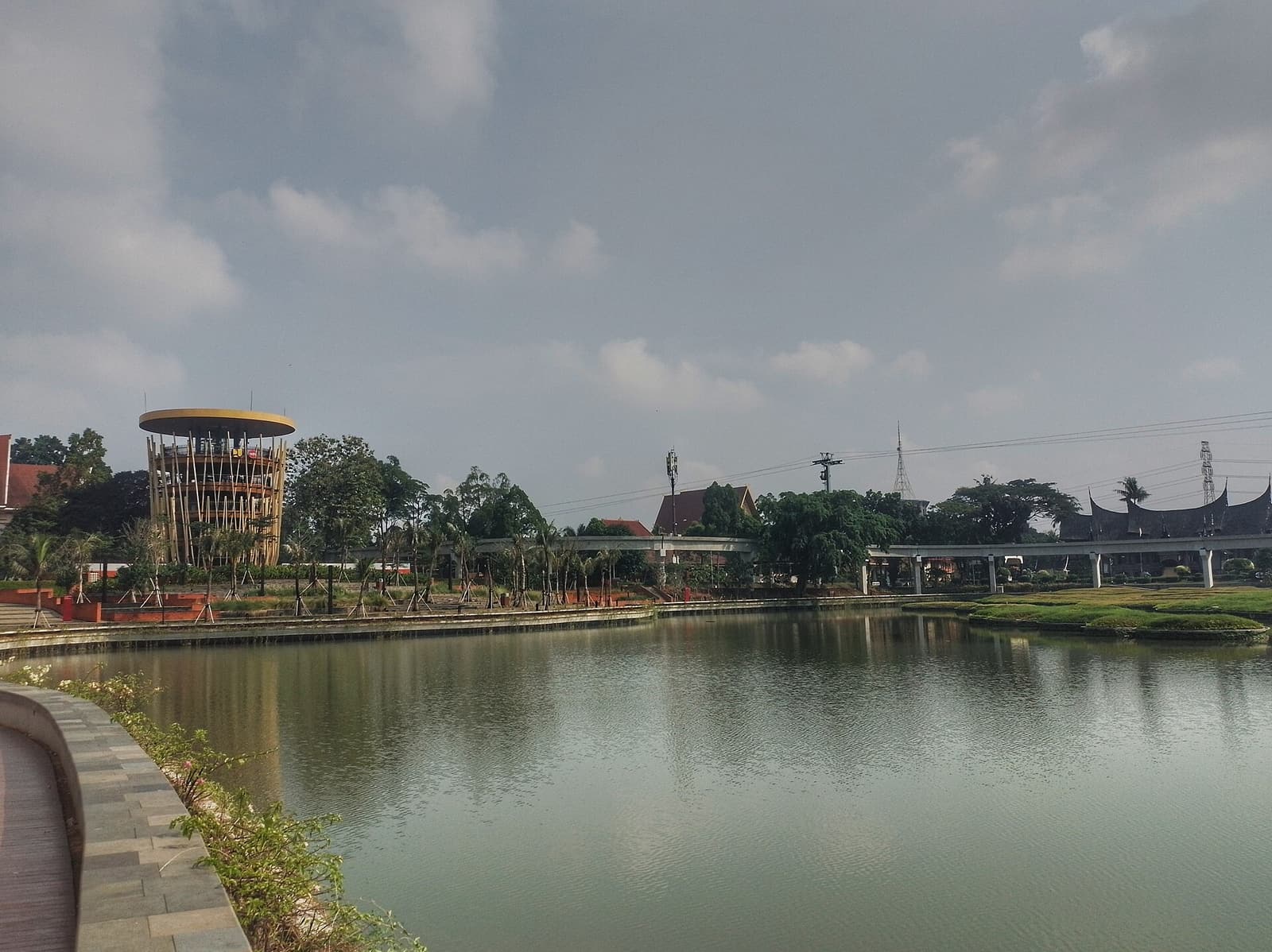
A full day that begins among the traditional houses of Taman Mini Indonesia Indah, then returns to the centre for Monas, the Istiqlal Mosque and the cathedral.
- Traditional architecture at Taman Mini
- National Monument, Istiqlal Mosque and the cathedral
- Hotel pickup available
 Walking tour from €36
Jakarta Walking Tour: Explore Jakarta as the Locals Do
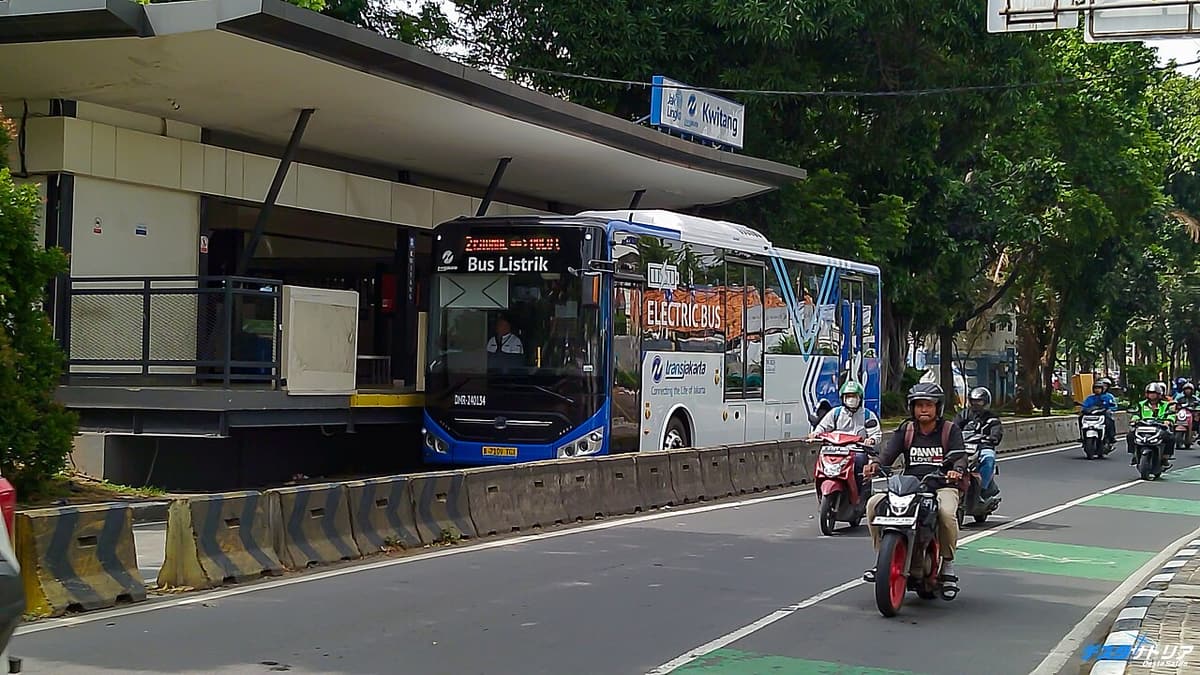
A three-hour introduction to the city on foot and by public transport, with food stops and local history along the way. Rated 4.9 by more than a hundred travellers.
- Get around the local way, on public transport
- Try well-known local foods along the route
- Stories and history from a local guide